
Anxiety is a common condition that touches millions of lives. It manifests as persistent worry, tension, and physical symptoms like rapid heartbeat and restlessness. While medications and therapy are mainstays of treatment, many people seek natural remedies as complementary or alternative approaches. These remedies often focus on holistic lifestyle changes and harness the power of nature to calm the mind and body.
Anxiety, when chronic, can interfere with daily functioning and quality of life. It affects the nervous system and triggers a constant fight-or-flight response, leading to physical and emotional exhaustion. Natural remedies for anxiety aim to balance the nervous system, regulate stress hormones such as cortisol, and improve mental clarity without unwanted side effects.
Herbal Remedies
Herbs have been used for centuries in various cultures to treat anxiety. Some of the most effective include:
-
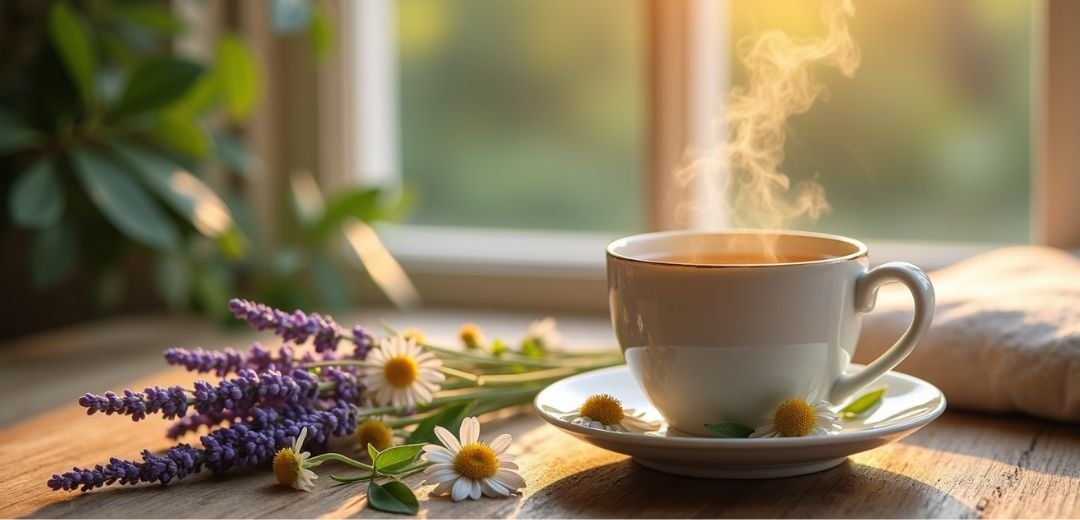
Chamomile: Known for its calming properties, chamomile tea is a popular choice to reduce anxiety and promote restful sleep.
-
Lavender: Often used in aromatherapy, lavender essential oil can reduce anxiety symptoms when inhaled or applied topically.
-
Valerian Root: This herb helps soothe the nervous system and is frequently used to treat insomnia linked to anxiety.
-
Passionflower: Known to improve mood and reduce anxiety, it acts on GABA receptors in the brain to induce calmness.
-
Ashwagandha: An adaptogen that helps the body deal with stress and decreases anxiety levels naturally.
Mindfulness and Meditation
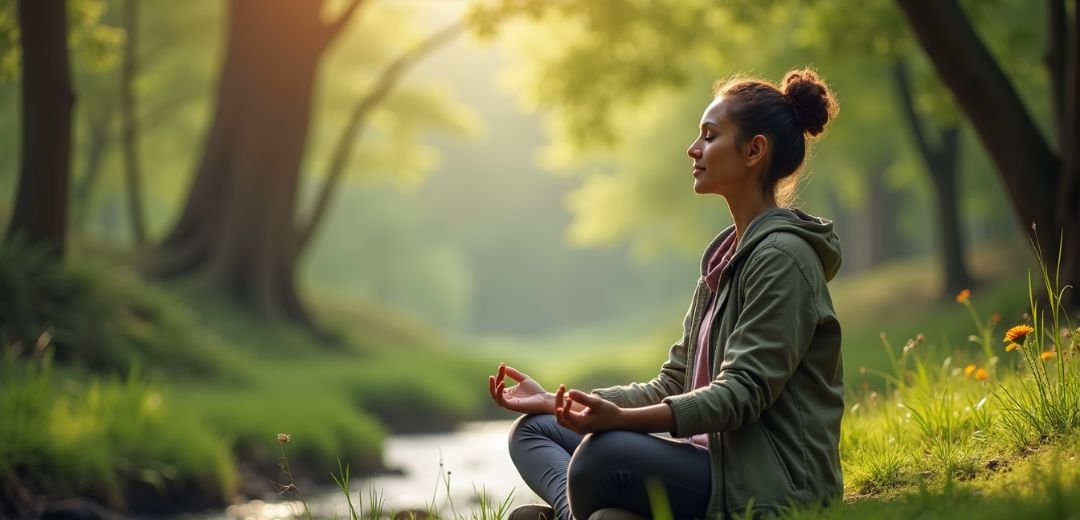
Mindfulness meditation cultivates an awareness of the present moment and helps break the cycle of anxious thoughts. Daily practice can:
-
Lower cortisol levels
-
Decrease negative thinking patterns
-
Improve emotional regulation
-
Enhance a sense of peace and well-being
Techniques such as deep breathing, guided imagery, and progressive muscle relaxation are simple tools that reinforce mindfulness and combat anxiety.
Incorporating healthy habits can significantly reduce anxiety symptoms:
-
Regular Exercise: Physical activity releases endorphins, the body’s natural mood lifters. Activities like walking, yoga, and swimming are particularly effective.
-
Balanced Diet: Nutrient-rich foods support brain function and hormone balance. Omega-3 fatty acids, magnesium, and vitamins B and D are especially important.
-
Quality Sleep: Poor sleep exacerbates anxiety. Establishing a consistent sleep routine and creating a calming bedtime environment help restore restful sleep.
-
Limiting Caffeine and Alcohol: Both can increase anxiety symptoms and disrupt sleep patterns, so moderation or avoidance is advised.
-
Social Support: Connecting with friends and family provides emotional support and reduces feelings of isolation.
Other Natural Techniques
Several additional natural remedies offer anxiety relief:
-
Acupuncture: This traditional Chinese medicine technique helps balance energy flow and reduce anxiety symptoms.
-
Massage Therapy: Physical touch relieves muscle tension and stimulates the parasympathetic nervous system, which promotes relaxation.
-
Nature Exposure: Spending time outdoors helps reduce stress hormones and enhances mood.
-
Journaling: Writing down thoughts can provide emotional release and help process anxiety triggers.
When to Seek Professional Help
While these natural remedies are beneficial, it is important to recognize when anxiety requires professional intervention. Severe anxiety, panic attacks, or symptoms that interfere significantly with daily life should be evaluated by healthcare providers. Natural remedies can complement but should not replace standard treatments without medical advice.
Natural remedies provide accessible, gentle, and often effective ways to manage anxiety in daily life. Incorporating herbal treatments, mindfulness practices, lifestyle improvements, and supportive therapies can create a comprehensive strategy for calming an anxious mind and restoring balance. Consistency and patience are key—natural healing is a journey, not a quick fix.
By embracing these holistic strategies, individuals can empower themselves to weather anxiety’s challenges with greater resilience and peace.