
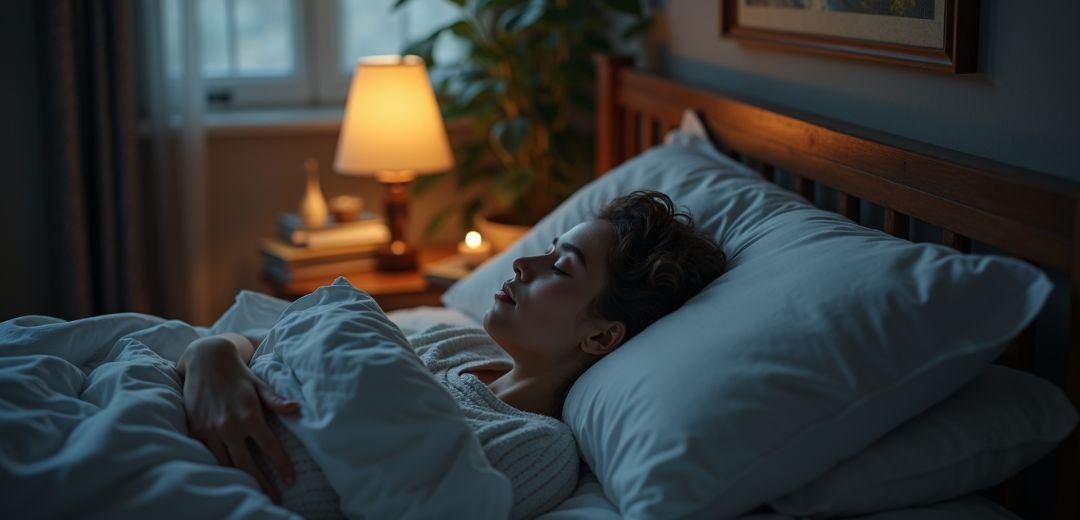
Sleep is a vital component of overall health and well-being, yet millions of people worldwide struggle with sleep disturbances and disorders. Sleep therapy offers various evidence-based approaches to improve sleep quality, address underlying causes of sleep problems, and promote restorative sleep. This article explores the most effective sleep therapy options, their benefits, and how they can be integrated into a healthy lifestyle for lasting results.
Understanding Sleep Therapy
Sleep therapy encompasses a range of treatments and techniques aimed at helping individuals overcome sleep difficulties such as insomnia, sleep apnea, restless legs syndrome, and circadian rhythm disorders. Rather than relying solely on medication, many sleep therapies emphasize behavioral changes, cognitive strategies, relaxation methods, and lifestyle adjustments. These approaches target both the mind and body to restore natural sleep pattern
Cognitive Behavioral Therapy for Insomnia (CBT-I)
CBT-I is widely regarded as the first-line and most effective non-pharmacological treatment for chronic insomnia. It involves two main components: cognitive therapy and behavioral therapy. The cognitive aspect helps individuals recognize and change negative beliefs and worries about sleep that contribute to insomnia. Behavioral therapy focuses on developing healthy sleep habits and eliminating behaviors that interfere with rest.
1. Key techniques within CBT-I include:
-
Stimulus Control Therapy: Training the mind to associate the bedroom only with sleep and intimacy, maintaining consistent sleep-wake times, avoiding naps, and leaving the bed if unable to sleep within 20 minutes.
-
Sleep Restriction Therapy: Limiting time spent in bed to the actual amount of sleep to increase sleep drive, followed by gradual extension of time in bed as sleep efficiency improves.
-
Relaxation Methods: Utilizing progressive muscle relaxation, breathing exercises, and meditation to reduce anxiety and physiological arousal at bedtime.
-
Cognitive Restructuring: Identifying and replacing irrational, negative thoughts related to sleep with more positive and realistic perspectives.
-
Light Therapy: Adjusting exposure to natural or artificial light to restore proper circadian rhythms, especially useful for those with delayed or advanced sleep phase disorders.
CBT-I is typically delivered by trained psychologists or sleep specialists over several weekly sessions. It has been shown to improve sleep onset, duration, and quality sustainably, often outperforming sleep medications without risks of dependency or side effects.
2. Sleep Hygiene Education
Sleep hygiene refers to lifestyle and environmental practices that support sound sleep. Sleep therapists educate individuals on habits such as maintaining a consistent sleep schedule, creating a comfortable and dark sleep environment, avoiding caffeine and heavy meals before bedtime, and establishing relaxing pre-sleep routines. Good sleep hygiene is a foundational component of most sleep therapies and benefits everyone, particularly those with mild to moderate sleep difficulties.

3. Relaxation and Mindfulness Techniques
Several relaxation techniques are effective tools to combat pre-sleep anxiety and racing thoughts that hinder falling or staying asleep. Methods include:
-
Progressive Muscle Relaxation: Systematically tensing and relaxing muscle groups to promote physical relaxation.
-
Deep Breathing Exercises: Controlled breathing techniques to lower heart rate and induce calm.
-
Meditation and Mindfulness: Training attention and awareness to focus on the present moment, reducing stress and rumination.
Incorporating these practices regularly can enhance the transition to sleep and improve overall sleep quality.
4. Biofeedback Therapy
Biofeedback helps individuals gain voluntary control over physiological functions such as heart rate and muscle tension, which are often elevated during periods of stress or insomnia. Using sensors and feedback devices, patients learn how to lower their arousal levels, facilitating relaxation and better sleep. Biofeedback may complement CBT-I and relaxation strategies to optimize therapeutic outcomes.
5. Continuous Positive Airway Pressure (CPAP) Therapy
For those diagnosed with obstructive sleep apnea, CPAP therapy is the gold standard treatment. It involves wearing a mask connected to a machine that delivers steady air pressure to keep the airway open during sleep. Effective CPAP use improves breathing, reduces snoring, and enhances sleep quality and daytime alertness.
6. Light Therapy for Circadian Rhythm Disorders
Light therapy involves exposure to bright light at specific times of day to reset the internal body clock. It is particularly helpful for people with delayed sleep phase syndrome, shift work disorder, or jet lag. Light therapy boxes simulate natural sunlight, which signals the brain to adjust melatonin production and synchronize sleep-wake cycles.
7. Medication and Supplement Options
While sleep therapy primarily focuses on behavioral and psychological methods, in some cases, medications or supplements may be used as adjuncts for short-term relief. Common options include:
-
Melatonin Supplements: Helps regulate sleep-wake cycles, especially in circadian rhythm disorders.
-
Prescription Sleep Aids: Such as zolpidem or eszopiclone, used sparingly and under medical supervision.
-
Herbal and Dietary Supplements: Valerian root and other natural products may provide mild sedative effects.
These should be integrated cautiously and not relied upon as a sole solution, due to risks of tolerance and side effects.
Benefits of Sleep Therapy
Sleep therapies have demonstrated multiple benefits beyond improving sleep itself:
-
Reduced reliance on medications and their potential side effects.
-
Improved mental health by alleviating symptoms of anxiety, depression, and stress.
-
Enhanced daytime functioning, concentration, and productivity.
-
Long-term tools and strategies to maintain healthy sleep habits.
-
Overall improvement in quality of life and physical health outcomes.
Choosing the Right Sleep Therapy
Selecting an appropriate sleep therapy depends on the individual’s specific sleep disorder, symptoms, lifestyle, and preferences. Consulting a qualified sleep specialist can help identify underlying causes and tailor a treatment plan combining one or more of the above options.
In summary, sleep therapy offers a holistic and effective approach to overcoming sleep challenges by addressing psychological, behavioral, and physiological factors. When applied consistently, these therapies can restore restorative sleep, boost well-being, and transform daily life.